Gung Ye began a new Goryeo in 901. Wang Kon (also known as Taejo of Goryeo) inherited its reunification project and built a political order that helped forge an enduring Korean identity.
Inside the Demilitarized Zone at Chorwon lie the remains of a royal capital that most Koreans have nearly forgotten.
The walls and palace site belonged to Taebong, the kingdom founded by Gung Ye amid the political upheaval that accompanied Unified Silla’s decline. Today, military fences, guard posts and the Military Demarcation Line restrict access to the ruins, and archaeologists have been permitted to conduct only limited surveys.
There is a profound historical irony in this landscape. The royal palace of a kingdom founded during an earlier period of Korean division now lies within the fortified zone that embodies Korea’s present division.
Taebong is usually treated as a brief, failed state, remembered mainly as the regime Wang Kon overthrew before founding Goryeo. That familiar narrative makes Gung Ye little more than a preface to Wang Kon and reduces Taebong to a historical dead end.
The political sequence tells a larger story.
Gung Ye founded a state called Goryeo in 901, invoking the memory and territorial inheritance of Goguryeo, the largest Korean kingdom in history. He later renamed the state Majin and then Taebong.
Du You’s Tongdian described Goguryeo's territory during the Sui dynasty as extending “6,000 li from east to west.” Du You, a Tang dynasty chancellor and historian, spent 36 years, from 766 to 801, compiling the massive 200-volume historical encyclopedia, which he presented to Tang Emperor Dezong in 801.
When Wang Kon replaced Gung Ye in 918, he restored the name Goryeo and continued the unfinished work of reuniting the peninsula. He inherited Gung Ye's officials, soldiers, institutions, territorial ambitions and claim to Goguryeo’s legacy.
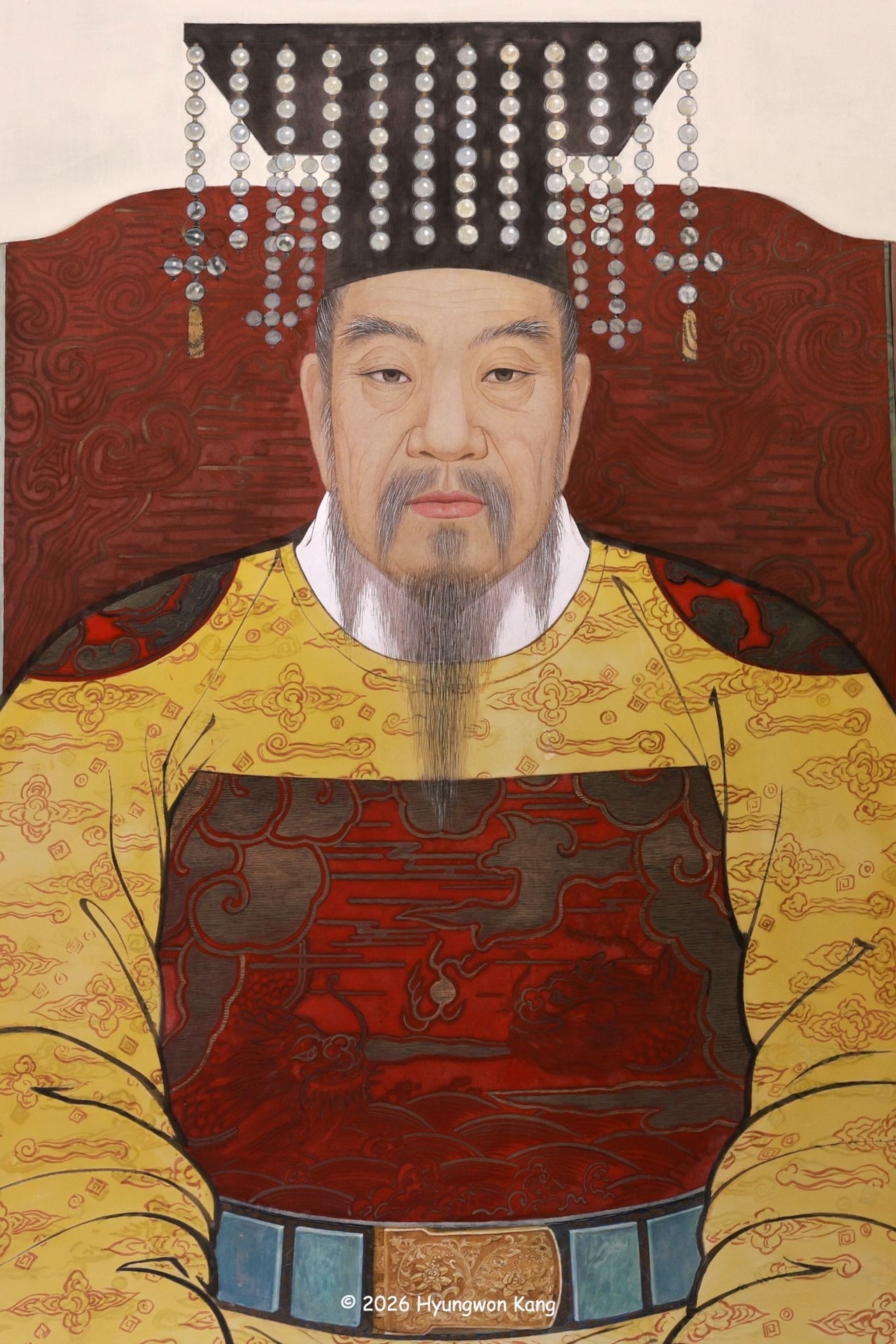
Through reunification and the integration of formerly separate regional powers, Goryeo forged a shared political identity that became known internationally as Korea and Corea, names derived from Goryeo. Seen as one continuous political project, the line from Gung Ye's Goryeo in 901 through Taebong and Wang Kon’s Goryeo endured until 1392 — a span of 491 years.
In 1392, Goryeo general Yi Songgye (also known as Taejo of Joseon) reorganized the kingdom as Joseon under a new ruling house and political philosophy. Joseon endured for another 518 years. Dynasties and state names changed, but the Korean identity that took political form in Gung Ye's Goryeo in 901 endured.
A thought for today’s two Koreas
The peninsula today is not the Korea of the 10th century. Medieval marriage diplomacy is not a model for relations between modern states with nuclear weapons, rival alliances and profoundly different political systems.
But Wang Kon’s achievement still presents a useful question.
The Republic of Korea and the Democratic People’s Republic of Korea have developed separate governments, institutions, militaries, economies and establishment interests over generations. Those interests exist not only between North and South, but also within each system. Political, military, economic and bureaucratic groups on both sides have stakes in the status quo.
Pretending that these realities do not exist will not make them disappear.
Wang Kon did not wait for every rival force to vanish before beginning political reconstruction. He recognized the powers that existed, negotiated with their leaders and found ways to turn outsiders into participants.
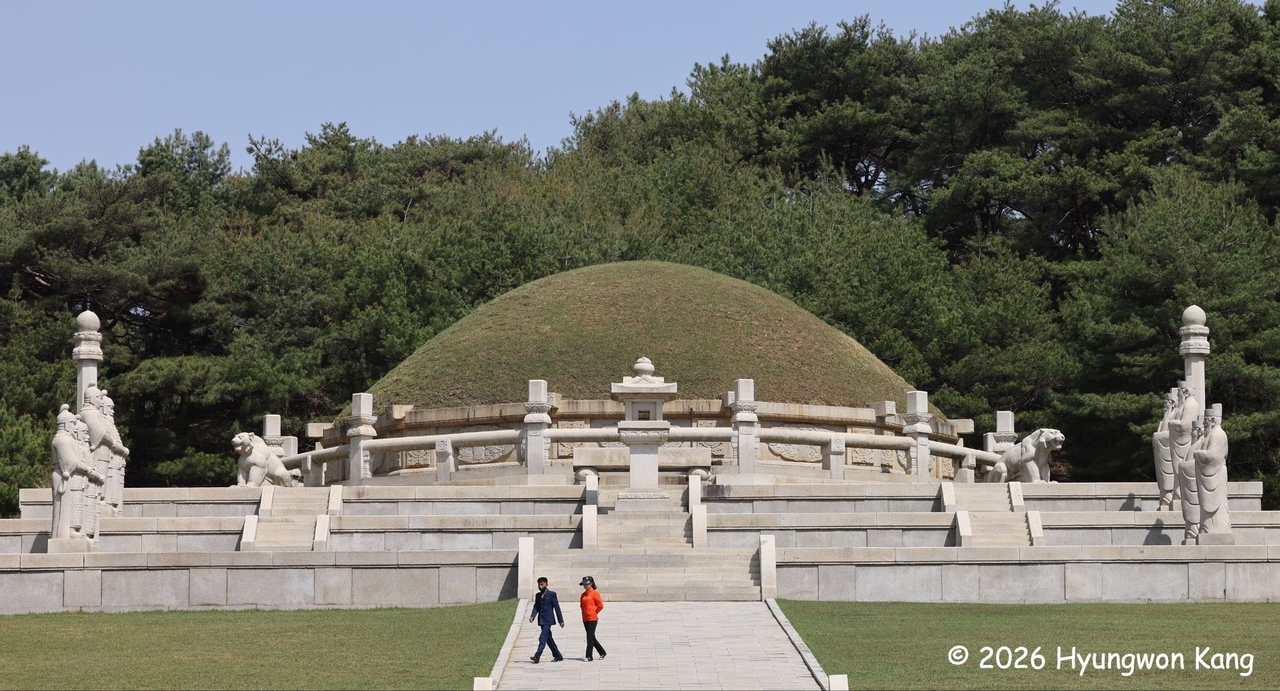
His 29 marriages belonged to his time. The principle behind them was broader: Reunification required relationships strong enough to persuade regional powers that they would have a place in the future political order.
Today, Korea again has two governments with different institutions and interests. Any serious path toward a common future will require more than declarations, military pressure or demands that one side surrender unconditionally to the other.
It will require creative diplomacy capable of addressing the fears and interests of the establishments on both sides.
Acknowledging those interests does not mean accepting permanent division. It means understanding the political landscape well enough to change it.
Wang Kon brought scores of local warlords and regional families together not by pretending their power did not exist, but by negotiating a larger order in which they could participate.
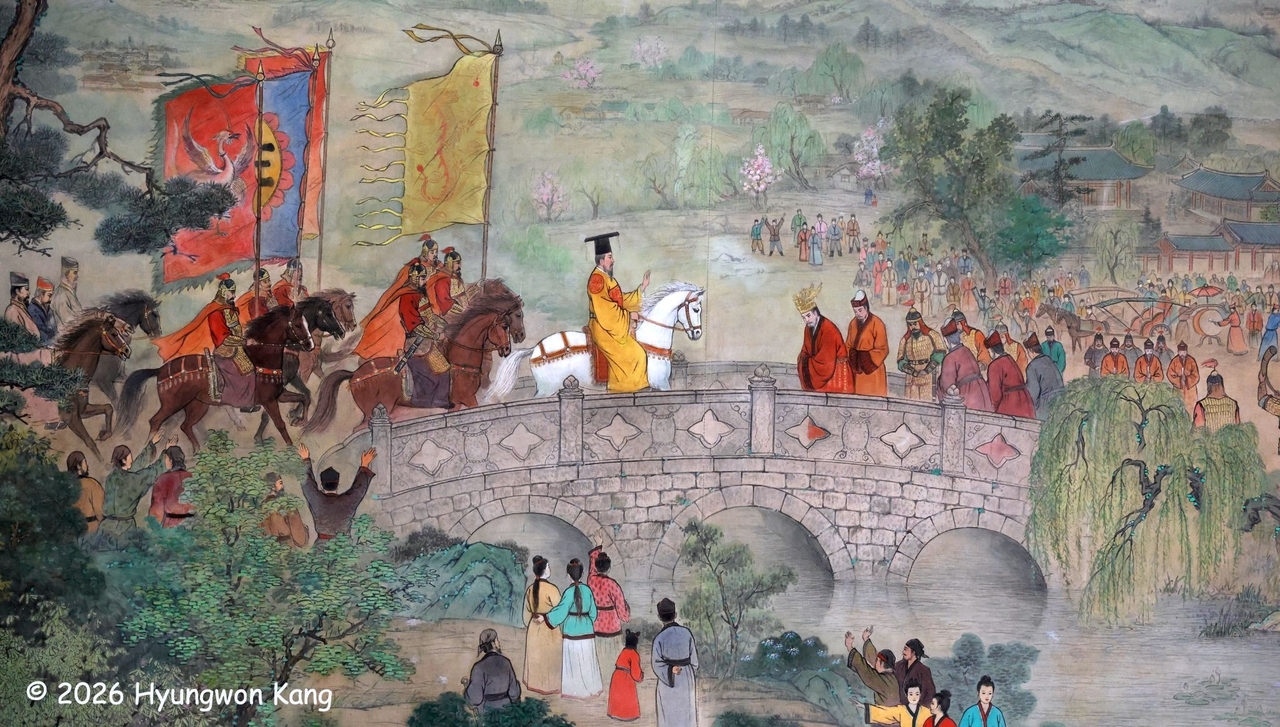
That may be his most relevant lesson for decision-makers in Seoul, Pyongyang and Washington.
The question is not simply: How can one Korea defeat the other?
The more difficult and productive question is: What kind of Korean future could give people and institutions on both sides a reason to participate?
More than 11 centuries ago, Gung Ye began a new Goryeo amid the collapse of an old order. Wang Kon inherited that project, changed its leadership and methods, and completed the reunification of the Latter Three Kingdoms through war, negotiation, alliance and inclusion.
The resulting political order helped forge the Korean identity that remains the backbone of both Koreas today.
Its forgotten first palace now lies inside the DMZ, waiting for Koreans to remember not only a lost kingdom, but also the diplomacy that once overcame division.
By Hyungwon Kang
Hyungwon Kang is a Korean American photojournalist, columnist, author and two-time Pulitzer Prize winner. He reported from North Korea in 1995, 1997 and 2026. Kang is the author of "Visual History of Korea" and "Seonbi Country Korea, Seeking Sagehood." His ongoing Visual History of Korea project documents Korean history and culture across the Korean Peninsula for global audiences. He currently teaches “Visual Literacy A to Z” at Dongguk University.
The views expressed in this article are the writer’s own. — Ed.
cheesuk@heraldcorp.com